How Digital Documentation Improves Business Efficiency
Introduction
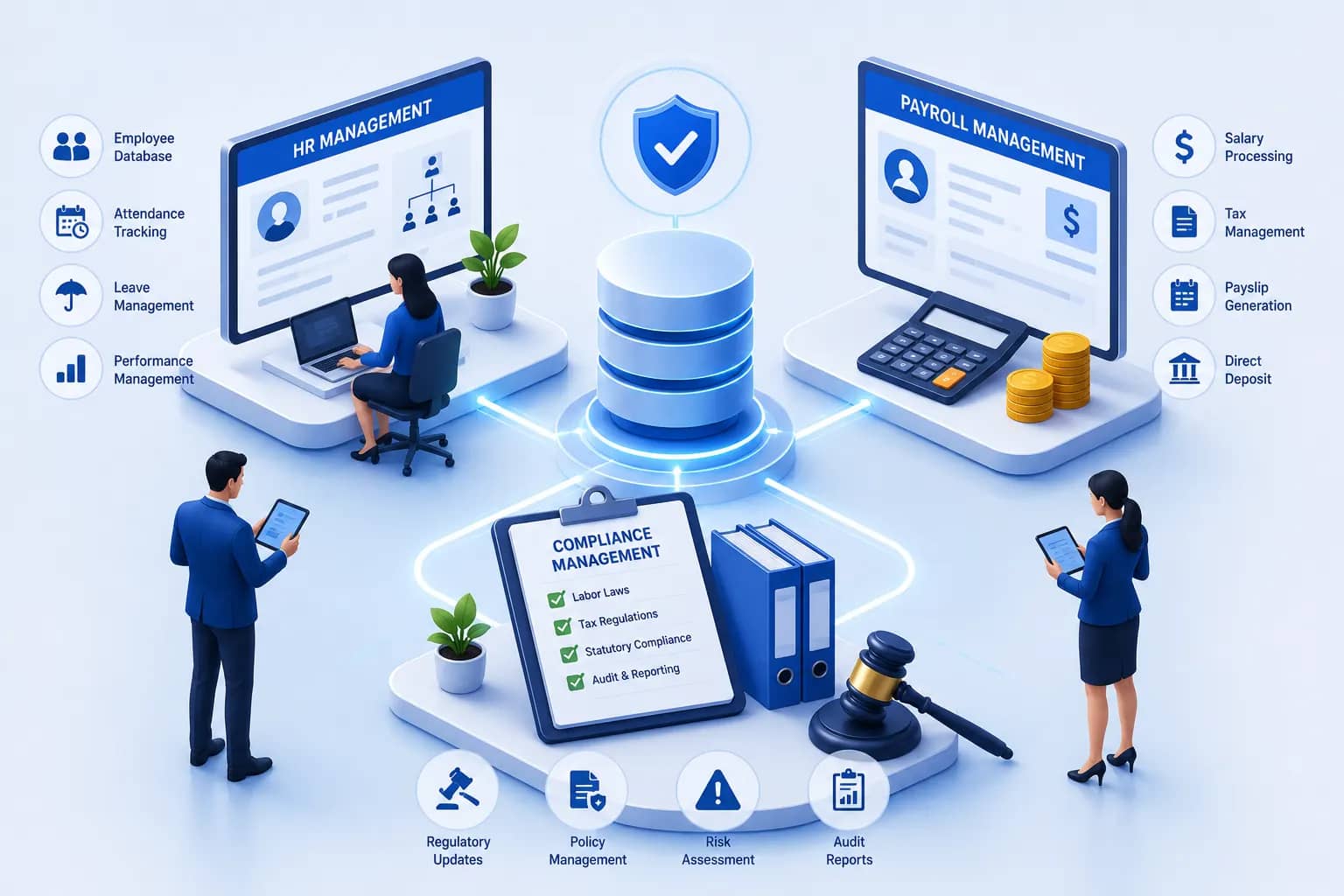
Documents are a critical part of every business operation. Employee records, invoices, quotations, compliance documents, contracts, attendance reports, payroll records, and customer communications all contribute to business continuity.
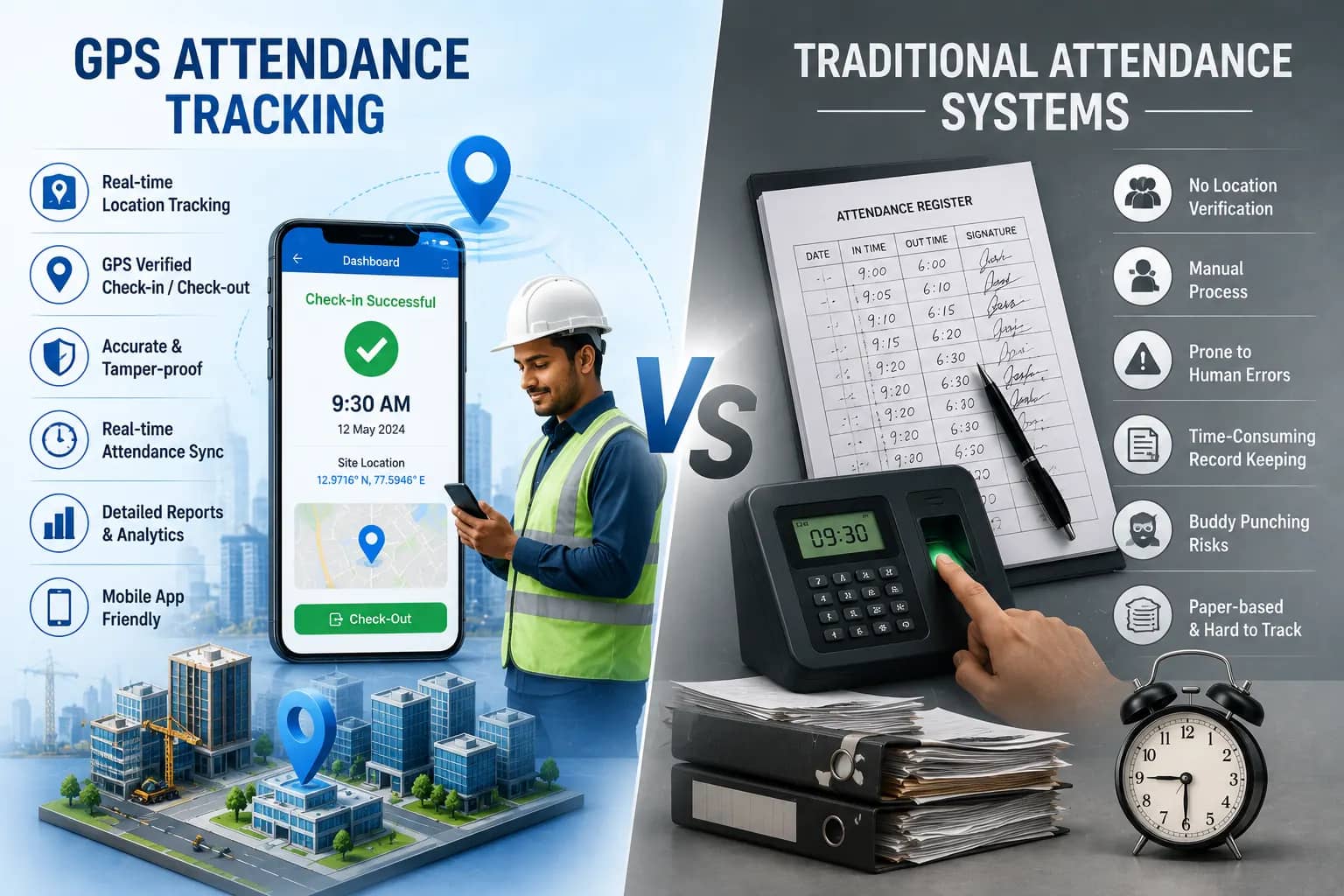
Many organizations still depend on paper files, spreadsheets, and manual filing processes. As businesses grow, these methods become difficult to manage and maintain.
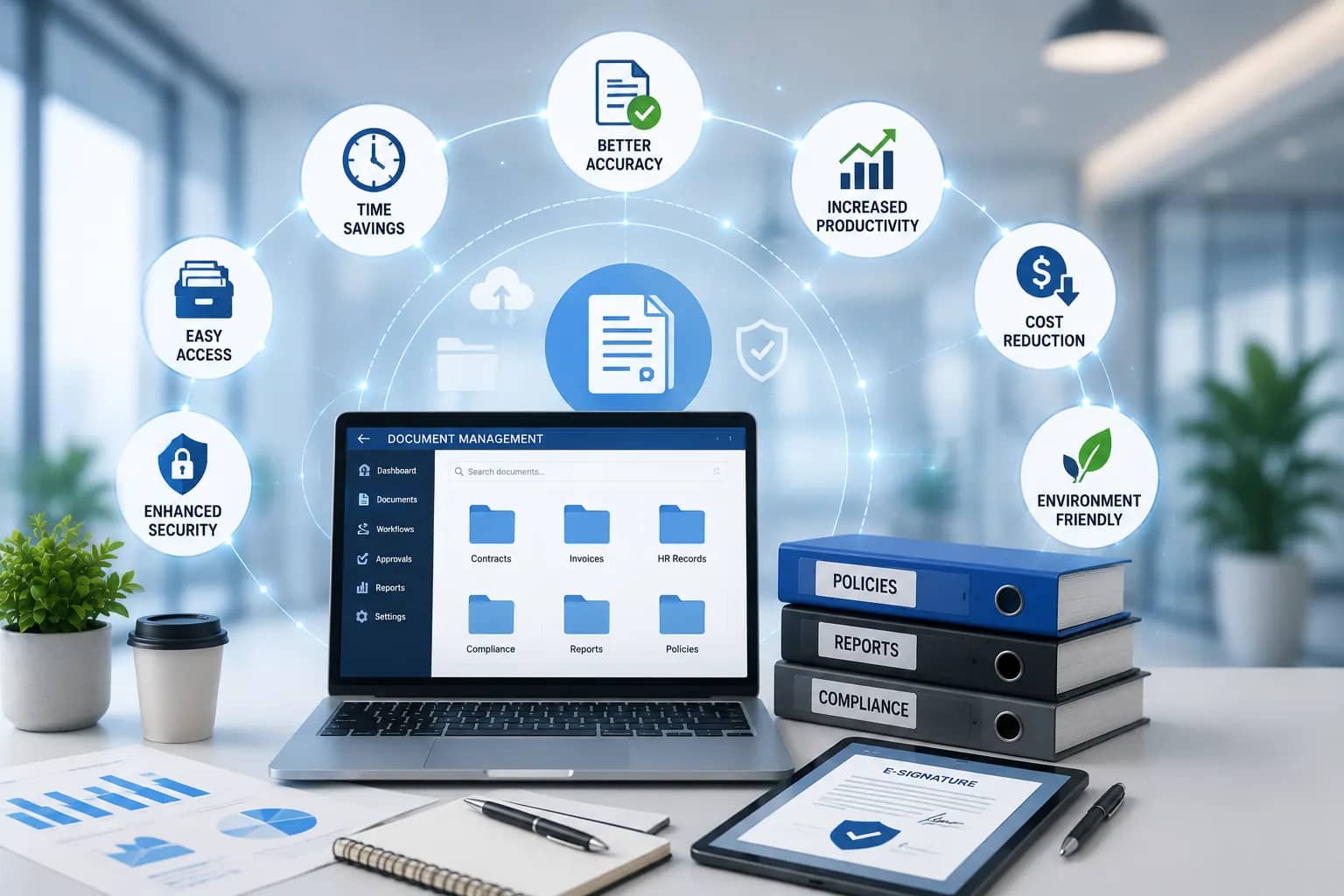
Digital documentation helps organizations improve efficiency, reduce risks, and create better control over business information.
Challenges of Traditional Documentation
Organizations relying on manual document management often face:
- Lost or misplaced records
- Duplicate documents
- Slow document retrieval
- Version control issues
- Compliance risks
- Increased administrative workload
These challenges affect productivity and decision-making.
What is Digital Documentation?
Digital documentation refers to storing, managing, organizing, and accessing business documents electronically.
Examples include:
- Employee records
- Payroll documents
- Compliance forms
- Quotations
- Invoices
- Contracts
- Attendance reports